.

Welcome to ZOOLOGIST WORLD

Articles

24 April

Introduction to Animal Physiology

Animal Physiology is the study of how animals function in their natural environment. This branch of biology focuses on how the various organ systems of animals work together to maintain life processes. Animal physiology is the study of how animals function at the cellular, tissue, organ, and systemic levels. It encompasses a wide range of biological systems and processes, including the nervous, muscular, respiratory, circulatory, digestive, excretory, and endocrine systems. Understanding animal physiology is critical to our understanding of how animals interact with their environments, how they survive and reproduce, and how they evolve over time.

Brain and Kidney Models

Some key areas of animal physiology include:

Homeostasis: This refers to the maintenance of a stable internal environment, despite changes in the external environment. Animals use various mechanisms, such as sweating or shivering, to regulate body temperature, for example.

The Digestive System: The digestive system is responsible for breaking down food into nutrients that can be absorbed by the body. It includes the mouth, esophagus, stomach, intestines, and other organs. The nutrients are absorbed through the walls of the intestines and are transported to the liver for processing.

The Respiratory System: The respiratory system is responsible for the exchange of gases between the body and the environment. It includes the lungs and the airways. Oxygen is taken in through the lungs and carbon dioxide is removed from the body through exhalation.

The Circulatory System: The circulatory system is responsible for the transportation of nutrients, gases, and waste products throughout the body. It includes the heart, blood vessels, and blood. The heart is responsible for pumping blood throughout the body, while the blood vessels are responsible for carrying the blood to the various organs and tissues. Blood carries oxygen and nutrients to the cells and removes waste products, such as carbon dioxide.

The Nervous System: The nervous system is responsible for the transmission of information within the body. It includes the brain, spinal cord, and peripheral nerves. The nervous system is divided into two main parts: the central nervous system (CNS) and the peripheral nervous system (PNS). The CNS is responsible for processing and coordinating information, while the PNS is responsible for transmitting information to and from the CNS.

The Endocrine System: The endocrine system is responsible for producing hormones that regulate various functions within the body. It includes the pituitary gland, thyroid gland, adrenal gland, and other glands. Hormones are released into the bloodstream and travel to their target organs or tissues, where they regulate various physiological processes.

The Reproductive System: The reproductive system is responsible for the production of offspring. It includes the male and female reproductive organs, such as the testes and ovaries. Sperm and eggs are produced in the reproductive organs and are transported to the site of fertilization. Fertilization occurs when a sperm cell penetrates an egg cell, resulting in the formation of an embryo.

These are just a few of the many fascinating aspects of animal physiology. By studying how animals work, scientists can gain a better understanding of how life functions, and how we can use that knowledge to improve human health and well-being.

Levels of Animal Physiology:

Animal physiology can be studied at several levels, each providing a different perspective on the functioning of animals:

Molecular level: This level of study focuses on the biochemical and biophysical processes that occur at the molecular level within cells. It includes the study of enzymes, proteins, DNA, and other molecules that are involved in cellular metabolism, signaling, and regulation.

Cellular level: This level of study focuses on the structure and function of individual cells. It includes the study of cell biology, cell signaling, and cell communication. This level also includes the study of specialized cells such as neurons, muscle cells, and immune cells.

Organ level: This level of study focuses on the structure and function of organs, which are groups of tissues that work together to perform specific functions within the body. Examples of organs include the heart, lungs, liver, and kidneys.

System level: This level of study focuses on the integration of organs and tissues to form functional systems that work together to maintain homeostasis within the body. Examples of systems include the nervous system, circulatory system, respiratory system, and digestive system.

Organismal level: This level of study focuses on the entire organism and how its various systems work together to maintain life. It includes the study of behavior, ecology, and evolution, as well as the study of whole-animal physiology and the interaction between animals and their environment.

Each level of study provides a unique perspective on animal physiology, and all levels are important for understanding the complexity of animal life.

Finally, comparative physiology is an important subfield of animal physiology that focuses on comparing the physiological processes of different animal species to better understand the evolution and adaptation of physiological systems. By studying the similarities and differences in animal physiology across different species, scientists can gain insights into how these systems have evolved over time and how they have adapted to different environmental conditions.

Summary:

Animal physiology is a complex and diverse field that encompasses the study of many different biological systems and processes. By studying animal physiology, scientists can gain a better understanding of how animals function at all levels of the organization, from the cellular to the systemic, and how these systems have evolved and adapted over time.

23 April

Wildlife National Park

Wildlife national parks are protected areas of land set aside for the conservation and protection of wildlife and their natural habitats. These parks provide a sanctuary for a variety of animal species, allowing them to live and thrive in their natural environments.

Many wildlife national parks have been established around the world, including in countries such as the United States, Canada, India, South Africa, and Kenya, to name a few. These parks provide habitats for a variety of animals, including elephants, tigers, lions, giraffes, zebras, bears, wolves, and many other species.

In addition to providing a home for wildlife, national parks also offer opportunities for visitors to observe and learn about these animals in their natural habitats. Many parks offer guided tours, educational programs, and other activities to help visitors better understand the importance of wildlife conservation and the role that national parks play in protecting our planet's biodiversity.

National parks also serve as important centers for scientific research, helping to advance our understanding of wildlife biology, ecology, and behavior. By studying the animals and their habitats, scientists can learn more about the complex interactions between different species and the environment, and use this information to develop new strategies for protecting and conserving these precious resources for future generations.

National Parks in Pakistan

Pakistan has a number of national parks and protected areas that are home to a diverse range of flora and fauna. As of 2021, there are 30 protected areas in Pakistan that have been designated as national parks by the government. These parks cover a total area of over 10,000 square kilometers and are located in various parts of the country, from the Himalayan mountain range in the north to the deserts of the south.

Beautiful cottage Ayubia National Park PAKISTAN
    `
Some of the most well-known national parks in Pakistan include:

  1. Ayubia National Park
  2. Chitral Gol National Park
  3. Deosai National Park
  4. Hingol National Park
  5. Khunjerab National Park
  6. Lal Suhanra National Park
  7. Margalla Hills National Park
  8. Kirthar National Park

These parks provide important habitats for a variety of animals, including snow leopards, Asiatic black bears, ibex, markhor, and various species of birds. They also offer opportunities for visitors to enjoy outdoor activities such as hiking, camping, and wildlife watching.

Significance of National Parks

Wildlife national parks play a vital role in the conservation and protection of the natural environment and the wildlife species that inhabit it. Here are some of the important reasons why wildlife national parks are essential:

1.      Biodiversity Conservation:

Wildlife national parks provide habitats for a diverse range of plant and animal species, some of which may be endangered or threatened with extinction. By protecting these areas, national parks help to safeguard biodiversity and maintain ecological balance.

2.      Preservation of Ecosystems:

National parks play a critical role in preserving and protecting various ecosystems, including forests, grasslands, wetlands, and marine environments. These ecosystems are essential for regulating climate, air quality, and water cycles, and provide various ecosystem services that are crucial for human well-being.

3.      Scientific Research:

National parks serve as important centers for scientific research, enabling scientists to study wildlife and their habitats, monitor environmental changes, and develop new conservation strategies.

4.      Education and Awareness:

National parks offer opportunities for education and awareness-raising about wildlife conservation and environmental issues. Visitors to national parks can learn about the importance of protecting wildlife and natural habitats, and understand how their actions can impact the environment.

5.     Economic Benefits:

National parks can also provide economic benefits to local communities through tourism and recreational activities. Visitors to national parks can generate revenue for local businesses and create employment opportunities.

Overall, wildlife national parks are essential for the conservation and protection of the natural environment and the wildlife species that inhabit it. They play a crucial role in maintaining ecological balance, preserving ecosystems, and promoting public awareness and education about wildlife conservation.

21 April

Introduction to Phylum Protozoa


Protozoa is a phylum of single-celled eukaryotic organisms that are found in various aquatic and terrestrial habitats. They are typically microscopic and exhibit diverse morphologies, behaviors, and modes of nutrition. Protozoa can be free-living or parasitic, and some are important in causing diseases in humans and other animals. Here are some key features and examples of protozoa:

1. Cellular organization:
 
Protozoa are unicellular organisms that lack complex tissues and organs. They have a simple cell structure that includes a nucleus, cytoplasm, and various organelles such as mitochondria, ribosomes, and vacuoles.
2. Modes of nutrition: 
Protozoa exhibit different modes of nutrition, including phagotrophy (ingestion of food particles), osmotrophy (absorption of dissolved nutrients), and mixotrophy (combination of both). Some protozoa are autotrophic and can synthesize their own food using photosynthesis.
3. Reproduction:
Protozoa reproduce asexually by binary fission, budding, or multiple fission. Some also reproduce sexually through conjugation, a process where two individuals exchange genetic material.
Examples of protozoa: 
Protozoa are classified into several groups based on their morphology and motility. Some examples of protozoa include:
  • Amoebas: These are unicellular protozoa that move by extending pseudopodia, which are temporary projections of the cell membrane. Examples include Entamoeba histolytica, which causes amoebic dysentery, and Acanthamoeba, which can cause eye infections.
  • Flagellates: These are unicellular protozoa that move by using one or more whip-like structures called flagella. Examples include Trypanosoma brucei, which causes African sleeping sickness, and Trichomonas vaginalis, which causes vaginal infections.
  • Ciliates: These are unicellular protozoa that move by using numerous hair-like structures called cilia. Examples include Paramecium, which is commonly used as a model organism for studying cell biology, and Balantidium coli, which can cause diarrhea in humans.
  • Sporozoans: These are unicellular protozoa that do not have motile structures and are parasitic in nature. Examples include Plasmodium, which causes malaria, and Toxoplasma gondii, which can cause toxoplasmosis in humans.
General Characters:
Here are some general characteristics of protozoa:
  • Unicellularity: Protozoa are unicellular organisms that lack complex tissues and organs. They have a simple cell structure that includes a nucleus, cytoplasm, and various organelles such as mitochondria, ribosomes, and vacuoles.
  • Eukaryotic: Protozoa are eukaryotic organisms, meaning they have a membrane-bound nucleus that contains genetic material.
  • Heterotrophic: Protozoa exhibit different modes of nutrition, including phagotrophy (ingestion of food particles), osmotrophy (absorption of dissolved nutrients), and mixotrophy (combination of both). Some protozoa are autotrophic and can synthesize their own food using photosynthesis.
  • Mobility: Protozoa can exhibit different modes of locomotion, including pseudopodia, cilia, and flagella, or they may be non-motile.
  • Reproduction: Protozoa reproduce asexually by binary fission, budding, or multiple fission. Some also reproduce sexually through conjugation, a process where two individuals exchange genetic material.
  • Habitat: Protozoa are found in various aquatic and terrestrial habitats, including freshwater, marine environments, and soil. Some protozoa are parasitic and can live inside or on the surface of host organisms.
  • Ecological importance: Protozoa play important roles in aquatic and terrestrial ecosystems, where they serve as food for other organisms and contribute to nutrient cycling. Some protozoa are also important in causing diseases in humans and other animals.
In summary, protozoa are unicellular eukaryotic organisms that exhibit diverse modes of nutrition, mobility, and reproduction. They are found in various habitats and play important ecological roles, but some can also cause diseases in humans and other animals.


HISTOLOGY OF ANIMAL TISSUE WITH STEPS


Histology is the study of the microscopic anatomy of tissues and cells in animals. Animal tissues can be broadly classified into four main types: epithelial tissue, connective tissue, muscular tissue, and nervous tissue. Each type of tissue has a specific structure and function.

Kidney cortex. Medullary rays

·         Epithelial tissue: Epithelial tissue covers the body surface, lines internal organs, and forms glands. It is composed of closely packed cells with the little extracellular matrix. The cells are arranged in one or more layers and are tightly joined by specialized structures called tight junctions. Epithelial tissue is classified based on the shape of the cells and the number of layers. The squamous epithelium has flat cells, the cuboidal epithelium has cube-shaped cells, and the columnar epithelium has elongated cells.

·         Connective tissue: Connective tissue supports and connects different structures in the body. It is composed of cells and an extracellular matrix. The extracellular matrix consists of fibers and ground substances. The fibers include collagen, elastic, and reticular fibers. The ground substance is a gel-like substance that fills the space between cells and fibers. Connective tissue is classified into several types, including loose connective tissue, dense connective tissue, adipose tissue, cartilage, bone, and blood.

·         Muscular tissue: Muscular tissue is responsible for movement in the body. It is composed of cells called muscle fibers that contain specialized contractile proteins. There are three types of muscular tissue: skeletal muscle, smooth muscle, and cardiac muscle. Skeletal muscle is attached to bones and is responsible for voluntary movement. Smooth muscle is found in the walls of internal organs and is responsible for involuntary movement. Cardiac muscle is found in the heart and is responsible for pumping blood.

·         Nervous tissue: Nervous tissue is responsible for communication and control in the body. It is composed of cells called neurons that transmit electrical signals, and glial cells that support and protect the neurons. Neurons have a cell body, dendrites that receive signals, and an axon that transmits signals to other neurons or muscles. Nervous tissue forms the brain, spinal cord, and peripheral nerves.

 In summary, the four main types of animal tissues are epithelial tissue, connective tissue, muscular tissue, and nervous tissue. Each type of tissue has a specific structure and function and is composed of different types of cells and extracellular matrix. Understanding the histology of animal tissues is important for understanding their physiological functions and for diagnosing diseases.

Steps of histology:

The process of histology involves several steps that are necessary to prepare and examine animal tissues under a microscope. The general steps of histology are as follows:

  1. Tissue collection
  2.  Fixation
  3.  Dehydration
  4.  Embedding
  5.  Sectioning
  6.  Staining
  7.  Mounting 
  8. Examination 

1.    Tissue collection: The first step in histology is to collect the tissue samples to be examined. The tissue can be obtained from biopsy or autopsy specimens, surgical resections, or experimental animals.

2.  Fixation: Once the tissue is collected, it must be fixed to preserve its structure and prevent degradation. Fixation involves treating the tissue with a fixative solution, such as formalin, which crosslinks the proteins and stabilizes the tissue.

3.   Dehydration: After fixation, the tissue is dehydrated by passing it through a series of increasing concentrations of alcohol. This removes the water from the tissue and prepares it for embedding in a solid medium.

4.   Embedding: The dehydrated tissue is embedded in a solid medium, such as paraffin or resin, to provide support and facilitate sectioning. The tissue is placed in a mold with the embedding medium, which is then solidified by heating or cooling.

5.   Sectioning: The embedded tissue is then sliced into thin sections using a microtome, which can cut sections as thin as a few microns. The sections are placed on glass slides and dried.

6.   Staining: The tissue sections are stained to enhance the contrast and highlight specific structures. Hematoxylin and eosin (H&E) is a commonly used staining method that stains nuclei blue-purple and cytoplasm and extracellular matrix pink.

7.   Mounting: After staining, the tissue sections are covered with a cover slip and mounted on a microscope slide. The mounting medium prevents the tissue from drying out and protects the cover slip.

8.   Examination: The prepared tissue sections are then examined under a microscope to observe the cellular and tissue structures. The images obtained can be photographed or digitally captured for further analysis.

Micrograph of squamous cell carcinoma of the head and neck

In summary, the steps of histology involve tissue collection, fixation, dehydration, embedding, sectioning, staining, mounting, and examination. Each step is critical to obtain high-quality tissue sections for microscopic examination.


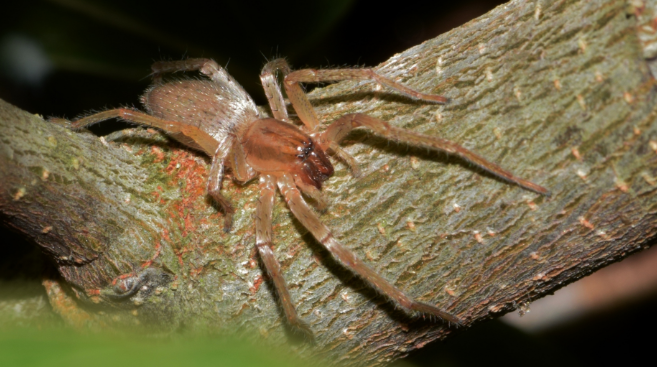
Introduction to Family Clubionidae

Clubionidae

There are a lot of confusing qualification dates associated with spiders in the Clubionidae family. The eight eyes were arranged in two rows, and there used to be a large group of spiders that controlled a wide variety of spiders, similar to the two rows of eight eyes on their body. As a large group of spiders grew on a plant, silicocytes or vesicles were produced to protect the cones from predators that touched and filtered them. Under the bark, between the leaves, or under the rocks, there can be a variety of hiding places.

There are a number of different spider families that live within them, and some of them are similar to the claws of the three spiders like the lynx spider or the wolf spider, rather than being aggressive clubs.


Clubionidae

Genera

There are a number of spider families previously classified as stock spiders, and some have common names, including "spider sacks," such as:

·         Spider Enifida Bag
·         Tengellid spider
·         Corinid spider sack
·         Zoroastrian spider
·         Long stem spider 
·         Choking spider blood bag

 There are now more than 500 species of Clubionidae in 15 genera worldwide, in addition to the rest of the Clubionidae. In this case, the user must refer to a member of the family Clubionidae when using a "spider of the bag".

Habitat

In order to find prey, these spiders crawl around the plants. Many habitats that contain a variety of plants are suitable for their presence. Buildings and houses often have a few types of this family.

Habitat areas: moderate, tropical. Ground

Terrestrial biota: taiga; Oak. Forest; tropical forest; scrub forest

Wetlands: swamp swamp

Other habitats Characteristics: Urban; Suburban; Agricultural

Distribution:

The 540 species of spiders in this family can be found all over the world. Michigan has only 30 species.

Physical description:

A spider is a pale-colored, medium-sized arachnid with a body length ranging from 5 to 12 millimeters. The cephalothorax is located in the front of the spider, and behind the cephalothorax, there is a belly. In total, they have eight legs, which are all attached to the sword's chest in some way. A member of this family has rather long legs that are two times longer than the body, and these legs are quite long as well.

Pedipalps are a pair of small legs that are situated in the frontal part of the cephalothorax and are referred to as small legs. As well as being used to snatch, these prey are also used by the species for mating purposes. As a matter of fact, the pedipalps of male spiders are much larger than those of female spiders. Throughout the entire family, there are eight species, which are arranged in two rows of four eyes each. The eyes of these men are small and of similar size, but there have been times when the eyes of the front row have been larger and elliptical than those in the back row. They have stronger lips, and their fans may be slightly longer than those of other spiders of the same size, making them distinctive among other spiders. There is a poison gland on the abdomen of every bag spider.
The most common kind of houses for granular spiders can be yellowish white, some of them are lighter and some are light brown in color. There is always a greater degree of darkness around your eyes and the parts of your mouth that are closer to them, no matter how pale you are.

Eyes

There are four pairs of eyes arranged in different ways.

Food

In addition to being aggressive hunters, spiders have a strong sense of smell. It is believed that they hunt for plants during the night, bite, and eat the insects and other invertebrates that they find there.

Predation:

It is believed that Sak spiders spin small, silky rooms where they hide during the day. It is not uncommon for them to twist and walk through the leaves, or hide under a stick or stone from predators. It is difficult to see them during the day because they are only active at night. Whenever they have the chance, they will bite to defend themselves.

Predators know:

• Other Araneas
• Formicidae
• Membrane wings
• Anora
• Soricidae

Behavior

Seeing as these spiders are active in the dark, they are mainly dependent on smell, touch, and taste to communicate with one another. Despite the fact that you can see, it is not very clear.

Reproduction

  • There are different reproduction seasons for various species, but most of them are between spring and autumn. 
  • Asexual reproduction, internal fertilization, and sexual reproduction are the main reproductive characteristics; 
  • In order for a female spider to lay her eggs, she uses the same silk bag she uses for hiding her eggs. The eggs are kept in the incubator until they hatch. 
  •  In order to make sure that parents invest in their children, a woman needs to provide parental care.

Developing:

An egg is a place where spiders are born. It would be safe to say that small cows resemble large spiders to a large extent, although they can vary slightly in color as they age. During their life, they will have to get rid of their outer structure several times throughout their lives, so that they can grow.

Useful life:

A spider usually lives in this family for a period of about a year. In the case of females, they can live for longer periods of time. In many cases, males die shortly after they are mated.

The state:

As far as I know, no species of spider is under threat of extinction or needs to be protected from extinction.

Benefits;

Many insects that are harmful to humans and the environment are attacked by spiders in bags.

A positive effect of this treatment is the control of pest populations in the area

Harm:

The types of this family are not very serious, but they can give you a painful bite if you are not careful.

Negative Effects: Human Injury (Bites or Stings)


Lipids Overview

LIPIDS

Lipids are a diverse group of molecules that are insoluble in water but soluble in organic solvents such as chloroform, ether, and acetone. They are made up of carbon, hydrogen, and oxygen atoms, with a high proportion of carbon and hydrogen compared to oxygen. Lipids are important components of cells and play a variety of roles in biological systems, including energy storage, insulation, structural support, and signaling..


There are several types of lipids, including:

There are several types of lipids, each with unique structures and functions. Here are some of the main types of lipids:

Fatty acids: Fatty acids are long-chain hydrocarbons with a carboxylic acid group at one end. They are the building blocks of many other types of lipids and are used for energy storage and as components of cell membranes.  

Triglycerides: Triglycerides, also known as triacylglycerols, are composed of three fatty acid molecules linked to a glycerol molecule. They are the main form of energy storage in animals and are stored in adipose tissue.

Phospholipids: Phospholipids are composed of two fatty acid molecules, a phosphate group, and a polar head group. They are the main components of cell membranes and play a crucial role in maintaining their structure and function.

Steroids: Steroids are lipids that have a characteristic four-ring structure. They include cholesterol, which is an important component of cell membranes, and hormones such as testosterone and estrogen.

Waxes: Waxes are esters of long-chain fatty acids and alcohols. They are used as a protective coating on the surface of plants and animals to prevent water loss.

Glycolipids: Glycolipids are composed of a fatty acid chain, a sugar molecule, and a polar head group. They are found on the surface of cells and play a role in cell signaling and recognition.

Sphingolipids: Sphingolipids are a type of lipid that contains a sphingosine backbone, a fatty acid chain, and a polar head group. They are important components of cell membranes and play a role in cell signaling and recognition.

Each of these types of lipids has its own unique properties and functions. Together, they play a critical role in many biological processes, including energy storage, structural support, signaling, and hormone production.


Why are Lipids Important?

Lipids play important roles in human health and disease. High levels of triglycerides and cholesterol in the blood can increase the risk of heart disease, while low levels of certain types of lipids, such as omega-3 fatty acids, can lead to cognitive impairment and other health problems. Researchers are also exploring the use of lipids as drug targets for the treatment of various diseases, including cancer and metabolic disorders.

Here are some of the important functions of lipids:

Energy storage: Lipids are an efficient source of energy storage in the body, providing twice as much energy per unit of mass as carbohydrates. Triglycerides, the main storage form of lipids in the body, are stored in adipose tissue and can be broken down and used as a source of energy when needed.

Structural support: Lipids also play an important role in the structural support of cells and tissues. Phospholipids, for example, are major components of cell membranes and are critical for maintaining their integrity and function. Cholesterol, another type of lipid, is also an important component of cell membranes and helps regulate their fluidity.

Insulation and protection: Certain types of lipids, such as waxes, are used as insulation and protection against water loss in plants and animals. In humans, adipose tissue also serves as a thermal insulator and cushion against physical trauma.

Signaling: Lipids also play a role in cell signaling, which involves the transmission of signals within and between cells. For example, some lipids, such as phospholipids and sphingolipids, act as second messengers in signaling pathways that regulate cellular processes such as growth, differentiation, and apoptosis.

Hormone production: Steroids, a type of lipid, are precursors to many important hormones in the body, including cortisol, testosterone, and estrogen. These hormones play important roles in regulating metabolism, growth, and reproductive function.

In addition to their essential roles in the body, lipids have important practical applications. They are used as food additives, lubricants, surfactants, and raw materials for the production of cosmetics, plastics, and biofuels. The study of lipids is also important for understanding and treating diseases such as heart disease, diabetes, and cancer.